
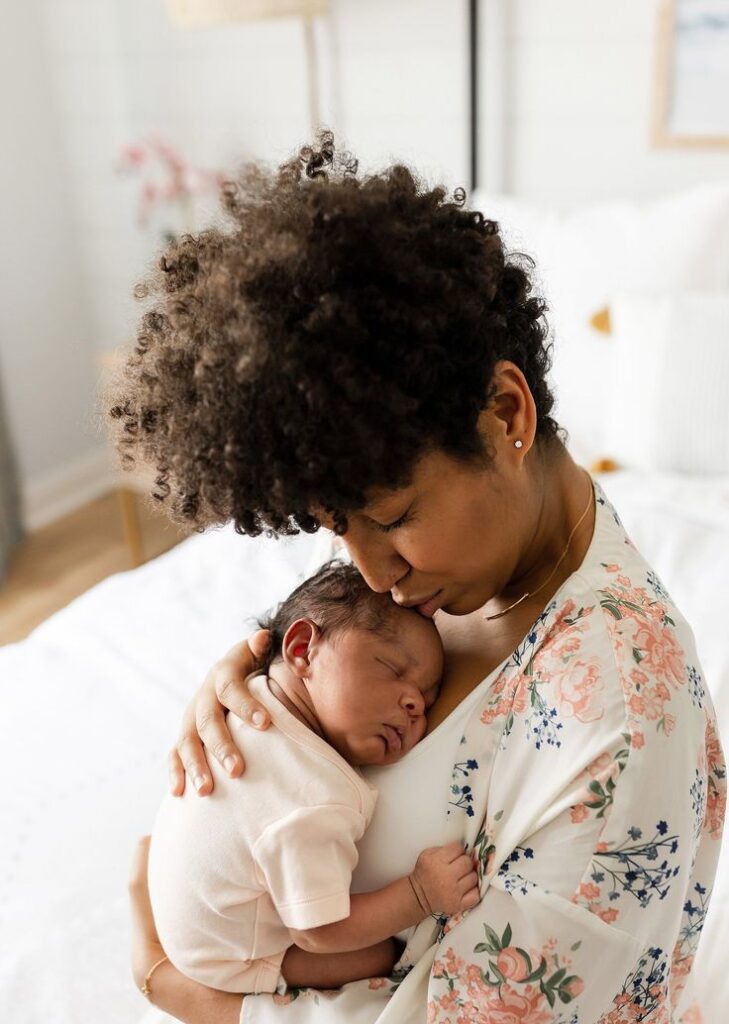
After delivery, everyone talks about the baby.
The tiny fingers.
The cute outfits.
The sleepless nights.
The first smile.
The joy of becoming a mother.
But not enough people talk honestly about what happens emotionally after childbirth.
Postpartum emotions can feel like a confusing emotional rollercoaster, beautiful one moment and overwhelming the next.
You may feel deeply in love with your baby while also feeling exhausted, anxious, emotional, or even emotionally disconnected from yourself.
And for many mothers, the hardest part is not knowing whether what they’re feeling is “normal.”
The truth is, postpartum emotions are far more complicated than most people admit.
Some moments are beautiful.
Some are heartbreaking.
Some are messy and uncomfortable.
And many mothers silently carry emotions they feel too guilty to talk about openly.
If you’ve ever felt emotionally overwhelmed after having a baby, you are not alone.
Motherhood changes everything – including your emotions, identity, relationships, body, and mental health.
Let’s talk honestly about the good, the bad, and the ugly side of postpartum emotions.
The Good: Moments of Deep Love and Connection
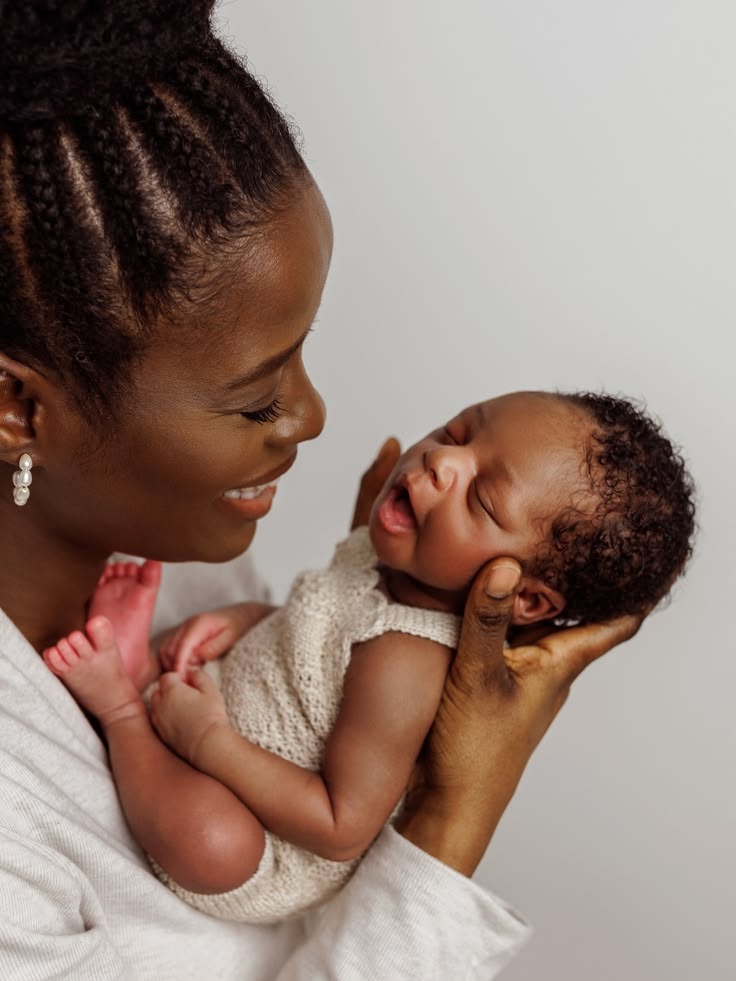
Despite all the challenges, postpartum life can also bring some of the most emotional and meaningful moments a woman may ever experience.
There’s something powerful about holding your baby for the first time.
Watching them sleep.
Hearing tiny cries.
Feeling them curl up against your chest.
Even during exhaustion, many mothers experience overwhelming love and protectiveness.
You may find yourself:
- Smiling at your baby for no reason
- Staring at them while they sleep
- Feeling emotional over small milestones
- Becoming more empathetic and nurturing
- Feeling a stronger sense of purpose
Motherhood can unlock a type of love that feels impossible to fully explain until you experience it yourself.
Some women also discover inner strength they never knew they had.
You realize your body, mind, and heart are capable of surviving difficult nights, emotional changes, and enormous responsibility.
The postpartum season may be hard, but it can also be deeply transformative.
The Bad: Emotional Exhaustion Is Real
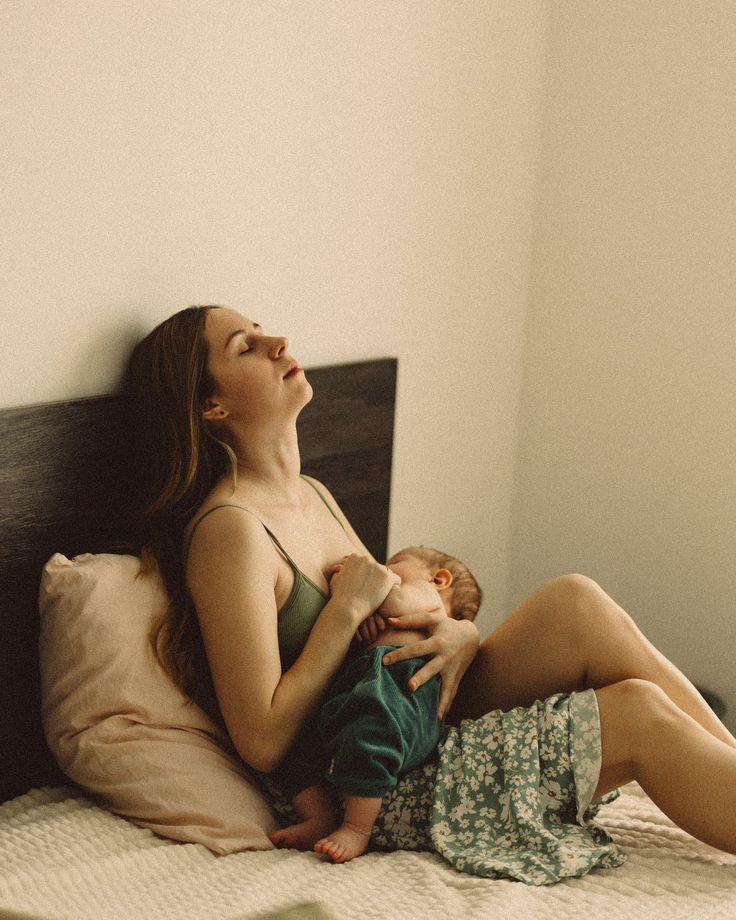
While there are beautiful moments, postpartum life can also feel emotionally draining.
One of the biggest shocks for many new mothers is how exhausting motherhood becomes almost immediately.
You are healing physically while caring for a tiny human who depends on you constantly.
Sleep becomes irregular.
Your hormones fluctuate dramatically.
Your routine disappears overnight.
And somehow, people still expect you to “enjoy every moment.”
The reality is that exhaustion affects emotions in powerful ways.
You may find yourself:
- Crying unexpectedly
- Feeling irritable
- Becoming emotionally sensitive
- Feeling overwhelmed by small things
- Losing patience quickly
- Feeling mentally foggy
Some days, you may not even recognize yourself emotionally.
Many mothers experience what’s commonly called the “baby blues” during the first couple of weeks postpartum, and it disappears with time.
Hormonal shifts, physical recovery, and lack of sleep can create mood swings, sadness, anxiety, and emotional instability.
For many women, these feelings improve gradually with time and support.
But for others, the emotional struggles run deeper.
The Ugly: The Feelings Nobody Wants to Admit

This is the part people often avoid discussing openly.
Sometimes, postpartum emotions include feelings that mothers feel ashamed to admit.
You may love your baby deeply and still feel:
- Lonely
- Trapped
- Angry
- Emotionally numb
- Overstimulated
- Resentful
- Disconnected from your old life
Some mothers struggle with guilt because motherhood does not instantly feel magical all the time.
Others feel pressure to appear grateful and happy while silently struggling emotionally.
Social media makes this even worse.
Online, postpartum life is often presented as glowing motherhood moments, adorable photos, and inspirational captions.
Behind those images, many women are silently battling emotional exhaustion.
The ugly truth is that postpartum emotions can sometimes feel frightening.
Some mothers experience intrusive thoughts, severe anxiety, panic attacks, or postpartum depression.
I have witnessed people experience postpartum depression (PPD) so bad that they don’t want their baby anywhere close to them.
They feel so irritated by the baby’s cry and some attempt to harm the baby.
Some mothers practically go insane after child birth that it will take a trained psychologist or therapist to help them out of this situation.
At that point, they need all the support they can get from families and friends. They can help take care of the baby while the mother heals.
Others struggle with body image issues, identity loss, or emotional isolation.
And because many women fear judgment, they suffer quietly.
Losing Yourself After Birth

One of the least discussed postpartum struggles is identity change.
Before motherhood, you may have had routines, hobbies, freedom, goals, and personal space.
Then suddenly, your entire world revolves around feeding schedules, diapers, sleep deprivation, and survival mode.
It’s common for mothers to wonder:
- “Who am I now?”
- “Will I ever feel like myself again?”
- “Why do I feel disconnected from my old life?”
This emotional adjustment can be surprisingly painful.
You are not just caring for a newborn – you are also adjusting to becoming a completely new version of yourself.
And honestly, that transition takes time.
Relationships Can Feel Different Too
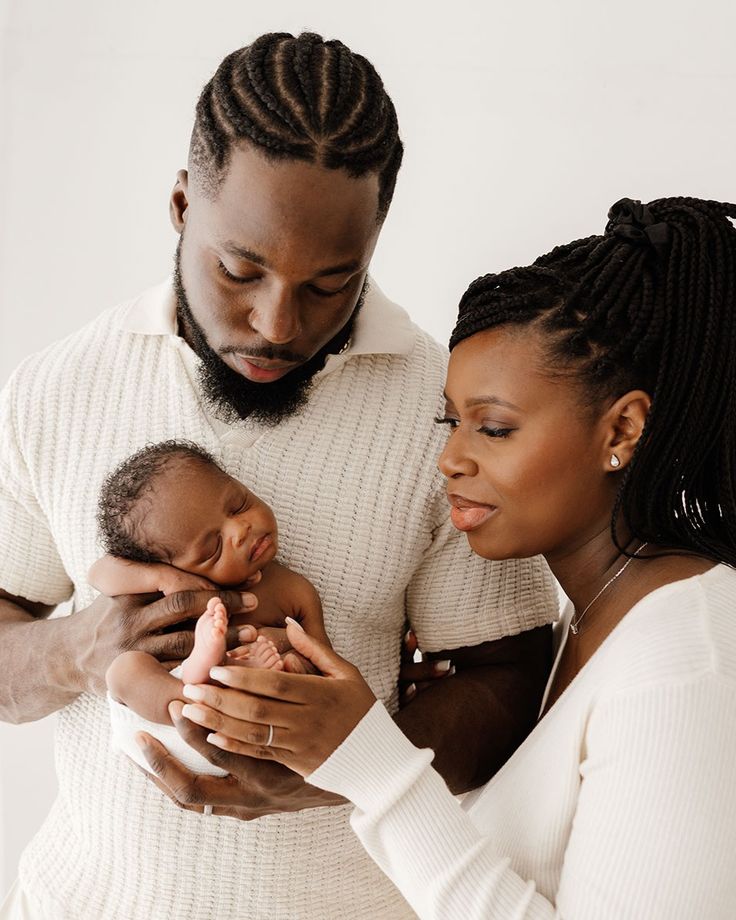
Postpartum emotions don’t only affect mothers individually – they can also affect relationships.
Many couples struggle emotionally after having a baby because:
- Both partners are exhausted
- Communication decreases
- Intimacy changes
- Responsibilities increase
- Stress levels rise
Mothers may feel unsupported or emotionally unseen.
Partners may struggle to understand the emotional intensity of postpartum recovery.
At the same time, family members and visitors may unintentionally increase stress by giving unsolicited advice or overwhelming the new mother emotionally.
Even friendships can change during postpartum life.
Some mothers feel isolated because their lifestyle no longer matches their old routines or social circles.
These emotional shifts are more common than people realize.
Why Postpartum Mental Health Matters
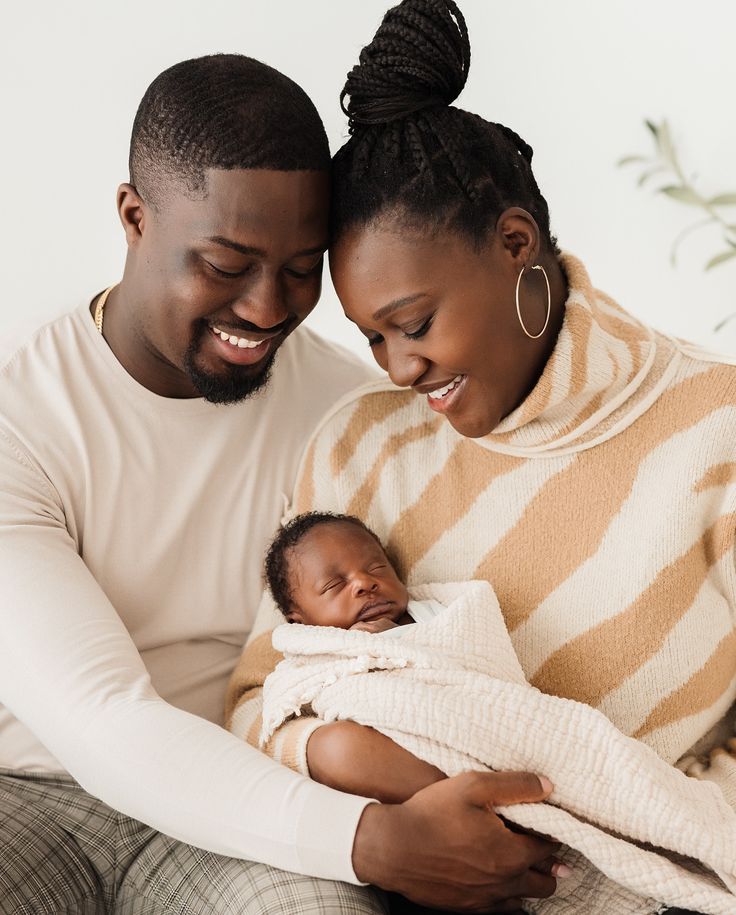
One dangerous myth is that struggling emotionally after childbirth means you are weak or ungrateful.
That is simply not true.
Postpartum mental health deserves serious attention because emotional well-being directly affects both mother and child.
A mother who is emotionally supported is more likely to recover, bond with her baby, and feel emotionally stable over time.
Unfortunately, many women ignore warning signs because they think they are supposed to “handle it.”
Signs that extra support may be needed include:
- Persistent sadness
- Severe anxiety
- Feeling hopeless
- Difficulty bonding with the baby
- Intense mood swings
- Loss of interest in daily life
- Feeling emotionally numb
- Thoughts of self-harm or harming the baby
Seeking help is not failure.
It is a strength.
The Pressure to “Bounce Back”
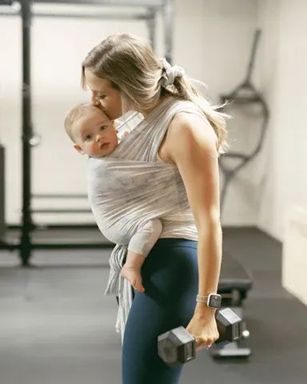
Modern motherhood culture places enormous pressure on women to recover quickly.
Friends watch out for how fast your tummy returns to flat after childbirth.
People expect mothers to:
- Lose pregnancy weight fast
- Return to normal routines immediately
- Stay emotionally positive
- Keep the house organized
- Care for everyone else
But postpartum recovery is not just physical – it is emotional too.
Healing takes time.
Your body changes.
Your hormones change.
Your priorities change.
Your emotions change.
You do not need to “bounce back” immediately to prove your worth.
Don’t be pressured to hit the gym or engage in rigorous exercise just to snap back to shape.
In this part of Africa, a series of herbal mixtures is prepared for a mom who has just given birth.
Some are absolutely helpful, while some mothers react badly to it!
Small Things That Help Emotionally

While postpartum emotions can feel overwhelming, small forms of support can make a huge difference.
Things that may help include:
- Getting more rest whenever possible
- Asking for help without guilt
- Talking honestly about your emotions
- Spending time outdoors
- Eating nourishing meals
- Limiting overwhelming visitors
- Taking breaks when possible
- Connecting with supportive mothers
- Speaking with a mental health professional if needed
You do not have to carry everything alone.
You Can Love Motherhood and Still Struggle
One important truth many mothers need to hear is this:
You can deeply love your baby and still struggle emotionally.
Those two things can exist at the same time.
Struggling does not make you a bad mother.
Feeling overwhelmed does not mean you are failing.
Needing support does not mean you are weak.
Postpartum life is one of the biggest emotional transitions a person can experience.

Postpartum emotions are complex, messy, emotional, beautiful, and sometimes overwhelming all at once.
There will be moments that fill your heart completely.
There will also be moments that test your emotional strength in ways you never expected.
The good moments matter.
The hard moments matter too.
Motherhood is not meant to look perfect all the time.
Real postpartum life includes tears, healing, joy, exhaustion, uncertainty, growth, and emotional transformation.
And if you are struggling emotionally after childbirth, please know this: you are not alone, and you do not have to pretend everything is okay to deserve support.
Healing takes time.
Adjustment takes time.
You deserve grace while navigating both.
Come to think of it, there is no award for the fastest mom to snap back after childbirth, so chill! Uhn…😊🤗
Related Posts:
12 Ways Motherhood Changed My Relationship With My Partner
I Lost Myself After Becoming A Mom… Here’s Is How I’m Finding Me Again