

As parents, it’s easy to believe the big things matter most.
We worry about giving our children the best schools, the best clothes, the best opportunities, and the best future possible.
We stress over finances, routines, parenting decisions, discipline, and whether we are doing enough.
But the truth is, when children grow up, they often remember the small things far more deeply than parents realize.
As an adult, I still remember that song my father composed specially for me that made me feel so special.
In fact, it’s bringing a smile to my face as I type.
Your children may not remember every toy you bought or every expensive outing you planned.
But they will remember how you made them feel.
They will remember your presence, your words, your reactions, your love, and the atmosphere you created at home.
Long after childhood fades, emotional memories remain.
If you’ve ever worried about whether you are doing a good job as a parent, this is your reminder that the little everyday moments matter more than perfection.
Here are some of the things your children are most likely to remember about you when they grow up.
1. How You Made Them Feel

More than anything else, your children will remember the emotional environment they grew up in.
Did they feel safe around you?
Did they feel loved?
Did they feel heard?
Did they feel accepted?
Children may forget specific conversations, but they rarely forget emotional patterns.
They remember whether home felt peaceful or tense.
They remember whether they could come to you when they were hurting.
They remember whether they constantly felt criticized or encouraged.
Your emotional presence shapes their memories more than material things ever will.
Sometimes the greatest gift you can give your children is making them feel emotionally secure.
2. The Way You Reacted During Difficult Moments
Children pay attention to how parents respond under pressure.
They notice:
- How you handled stress
- How you treated people when angry
- How you responded after mistakes
- Whether you apologized
- Whether you stayed calm or exploded emotionally
These moments quietly teach children how to handle life themselves.
Nobody reacts perfectly all the time.
Parents are human too.
But children often remember whether their home felt emotionally safe during difficult moments.
Even your willingness to apologize can leave a lasting positive impact.
Children do not need perfect parents.
They need emotionally aware ones.
3. Whether You Truly Listened
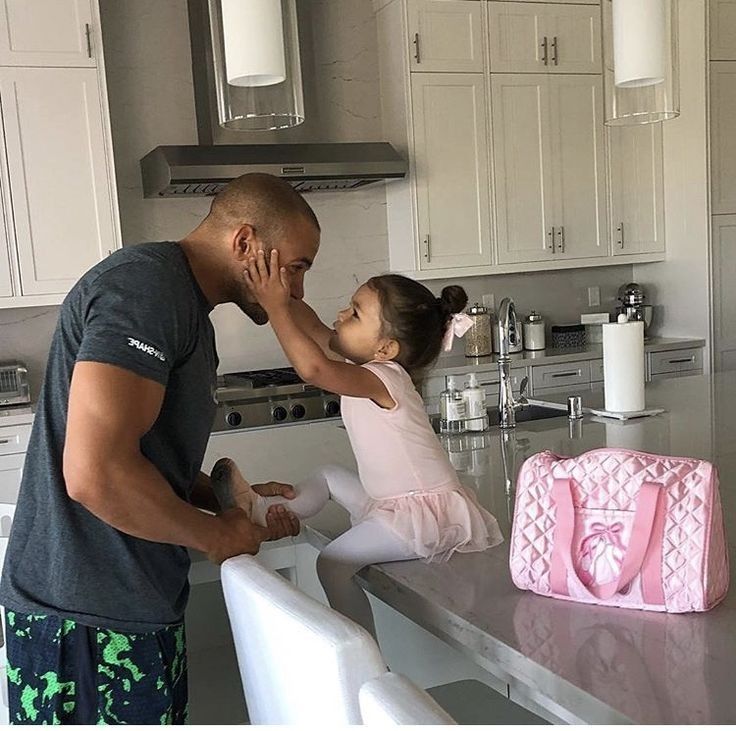
One of the most meaningful things a parent can do is listen attentively.
Children remember when they felt ignored – and they also remember when they felt deeply heard.
You may think small conversations are insignificant, but to a child, your attention means everything.
They remember:
- When you listened to their stories
- When you asked about their day
- When you looked up from your phone
- When you comforted them after hard moments
- When you took their feelings seriously
Feeling heard builds confidence, trust, and emotional connection.
Sometimes five minutes of genuine attention means more than hours of distracted presence.
4. The Small Daily Routines

Ironically, the ordinary routines parents often overlook become some of the most cherished memories later.
Your children may remember:
- Family dinners
- Bedtime stories
- Morning prayers
- Weekend cleaning together
- Singing in the car
- Watching movies together
- Your cooking
- Inside jokes
- Random traditions
Children are deeply attached to consistency and familiarity.
What feels repetitive or ordinary to you may become comforting childhood memories that they carry forever.
Simple moments often become the most meaningful.
5. How You Loved Them

Children remember love in actions, not just words.
They remember:
- Hugs
- Encouragement
- Comfort during hard days
- Support during failures
- Gentle reassurance
- Feeling protected
Even as adults, people often carry emotional memories of how loved they felt as children.
I still remember some events that happened between the ages of 3 and 4.
Some are sweet, while a few are not.
Love does not require perfection.
It requires presence, care, and consistency.
And honestly, children usually remember genuine affection far more than expensive gifts.
6. The Way You Treated Yourself
Many parents don’t realize their children are also learning from how they treat themselves.
If children constantly see:
- Self-criticism
- Burnout
- Neglect of personal well-being
- Lack of boundaries
- Constant stress
…they may grow up believing that adulthood must always feel exhausting.
On the other hand, when children see parents practicing self-respect, emotional balance, rest, and healthy boundaries, they learn valuable lessons about self-worth.
Your children are watching how you live, not just what you say.
7. Your Presence More Than Your Perfection
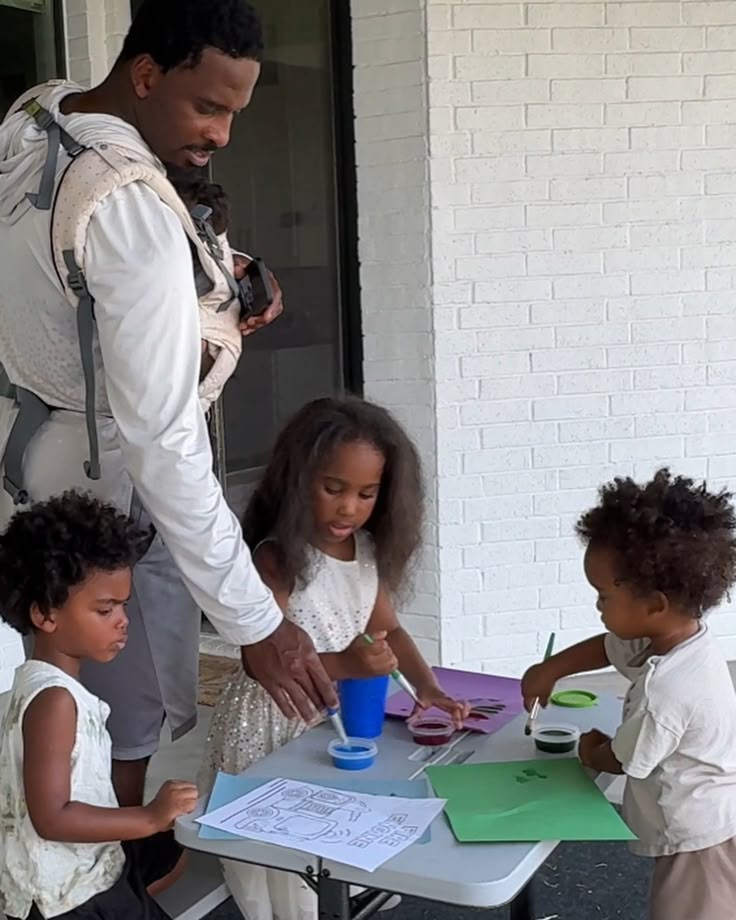
Many parents spend years worrying about not doing enough.
But children usually do not grow up analyzing whether every detail of childhood was perfect.
They remember whether you were emotionally present.
They remember:
- If you attended important moments
- If you made time for them
- If they felt important to you
- If they felt emotionally connected to you
Perfection is not what builds strong memories. Connection does.
Some of the most loved children did not grow up with luxury – they grew up with warmth, laughter, consistency, and care.
8. The Words You Spoke Repeatedly

Words shape children deeply.
The things you repeatedly say can become part of your child’s inner voice as they grow older.
I see how the faces of my sons lit up when I hype them after a fresh haircut, or when they are trying out new outfits.
They feel so confident in their cuteness that nobody can say otherwise. Lol
Your children will most likely remember your:
- Encouraging words
- Harsh criticism
- Reassurance during insecurity
- Constant comparisons
- Expressions of pride
- Loving affirmations
Simple phrases can stay with children for decades.
Things like:
- “I’m proud of you.”
- “You can do this.”
- “Daddy loves you.”
- “I’m here for you.”
…can become emotional anchors later in life.
At the same time, hurtful words can also leave lasting wounds.
That’s why intentional communication matters so much in parenting.
9. How You Made Home Feel

Children remember the atmosphere of home.
Not whether the house was always spotless.
Not whether every detail was perfect.
They remember:
- The emotional energy
- The laughter
- The tension
- The comfort
- The warmth
- The stability
Home is often remembered as a feeling more than a physical place.
Even years later, certain smells, songs, meals, or routines can instantly bring childhood memories rushing back.
A peaceful, loving environment leaves a lifelong impact.
10. The Times You Chose Them Over Distractions
Modern life is full of distractions.
Phones, work, stress, social media, responsibilities, and endless notifications constantly compete for attention.
Children notice when they constantly feel secondary to everything else.
But they also remember the moments when you intentionally chose connection instead.
They remember when:
- You played with them
- You sat beside them
- You laughed together
- You paused your work to listen
- You made eye contact
- You created meaningful moments
Children don’t expect constant entertainment.
They simply want to feel important to you.
11. Your Strength During Hard Seasons
Children often remember how their parents handled difficult times.
They remember your resilience.
Your sacrifices.
Your determination.
Your courage.
Even if they did not fully understand your struggles at the time, many children grow up appreciating the effort their parents made behind the scenes.
One day, they may realize:
- How hard you worked
- How much you sacrificed
- How tired you probably were
- How much you carried emotionally
And often, that realization deepens their appreciation for you.
12. The Love They Felt, Even in Imperfect Moments

No parent gets everything right.
There will be mistakes.
There will be emotional moments.
There will be things you wish you had handled differently.
But children do not require flawless parenting to grow up feeling loved.
What matters most is the overall emotional message they receive consistently:
- “I matter.”
- “I am loved.”
- “I am safe.”
- “I am valued.”
Those feelings shape children long after childhood ends.
As parents, it’s easy to focus on what you think you’re lacking.
You may worry about money, schedules, missed moments, or mistakes you’ve made along the way.
But when your children grow older, they likely will not measure your love by perfection.
They will remember your presence.
Your comfort.
Your laughter.
Your hugs.
Your patience.
Your words.
Your effort.
Your love.
And often, the little ordinary moments you barely notice will become some of their most treasured memories.
So don’t underestimate the power of everyday connection.
Years from now, your children may forget many details about childhood – but they will never forget how you made them feel.
Sending lots of love to the intentional parents out there who are creating sweet memories.
❤️💕❤️
Hmmm… This is so true!
Kids’ ways are not our ways. They value the tiny things more.
Thank you for the reminder
I’ll invest more in being part of my children’s lives.